How every translation is checked
Create In Chinese uses AI to translate, but it doesn’t trust a first draft. Every subtitle line goes through automatic checks, a repair pass when needed, and a visible flag if it still isn’t right, before you see it beside the English.
What happens to each line
- 01
Transcribe the real audio
Speech recognition turns the English audio into timed lines. Text that recognition invents at a clipped ending, with no speech behind it, is discarded instead of translated.
- 02
Translate line by line, with context
Each line is translated into Simplified Chinese with the lines around it in view, so pronouns and half-sentences make sense. Names and brands are protected, and English words the speaker is teaching stay in English.
- 03
Check every line automatically
The Chinese is checked for leftover untranslated English, garbled or mixed-language output, dropped names, and lines that drift onto the next sentence's meaning.
- 04
Repair what fails
Lines that fail a check get a second, targeted pass. Repaired lines are marked in the editor so you can see which ones needed help.
- 05
Never hide a failure
If both passes fail, the line stays in English and is flagged "English fallback" in the editor. You can retranslate it or type your own. Nothing is silently left wrong.
- 06
You review with English beside every line
The editor shows each Chinese line next to its English source, for subtitles, the cover headline, and the caption. Edit anything before export.
Real output
What one English video turns into
Screenshots from co-founder Preston Chin’s own video, processed in Create In Chinese.
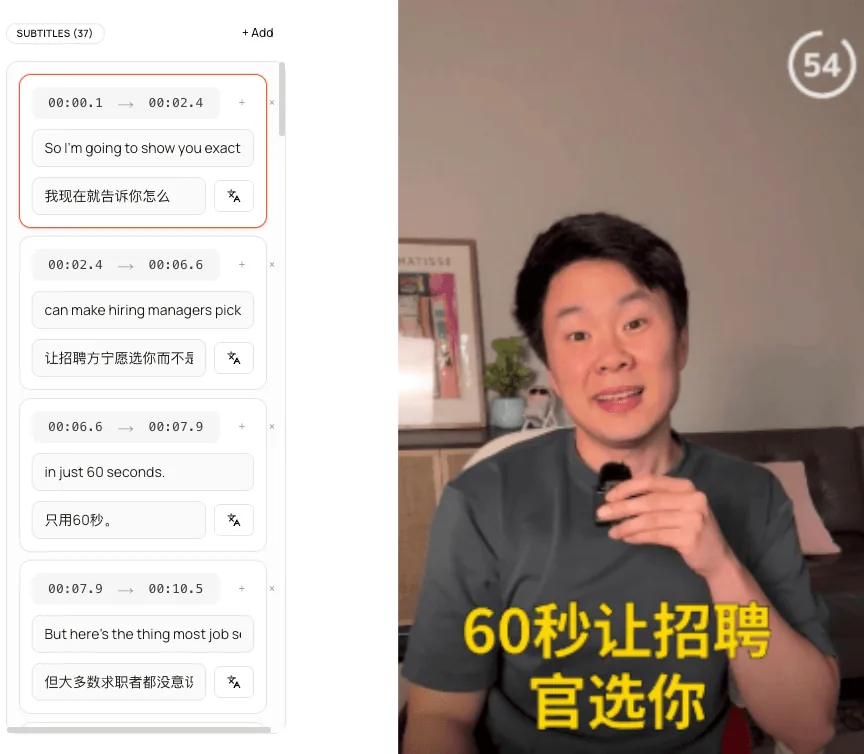
Subtitles
Every English line with its Chinese translation, timed to the speech and editable.
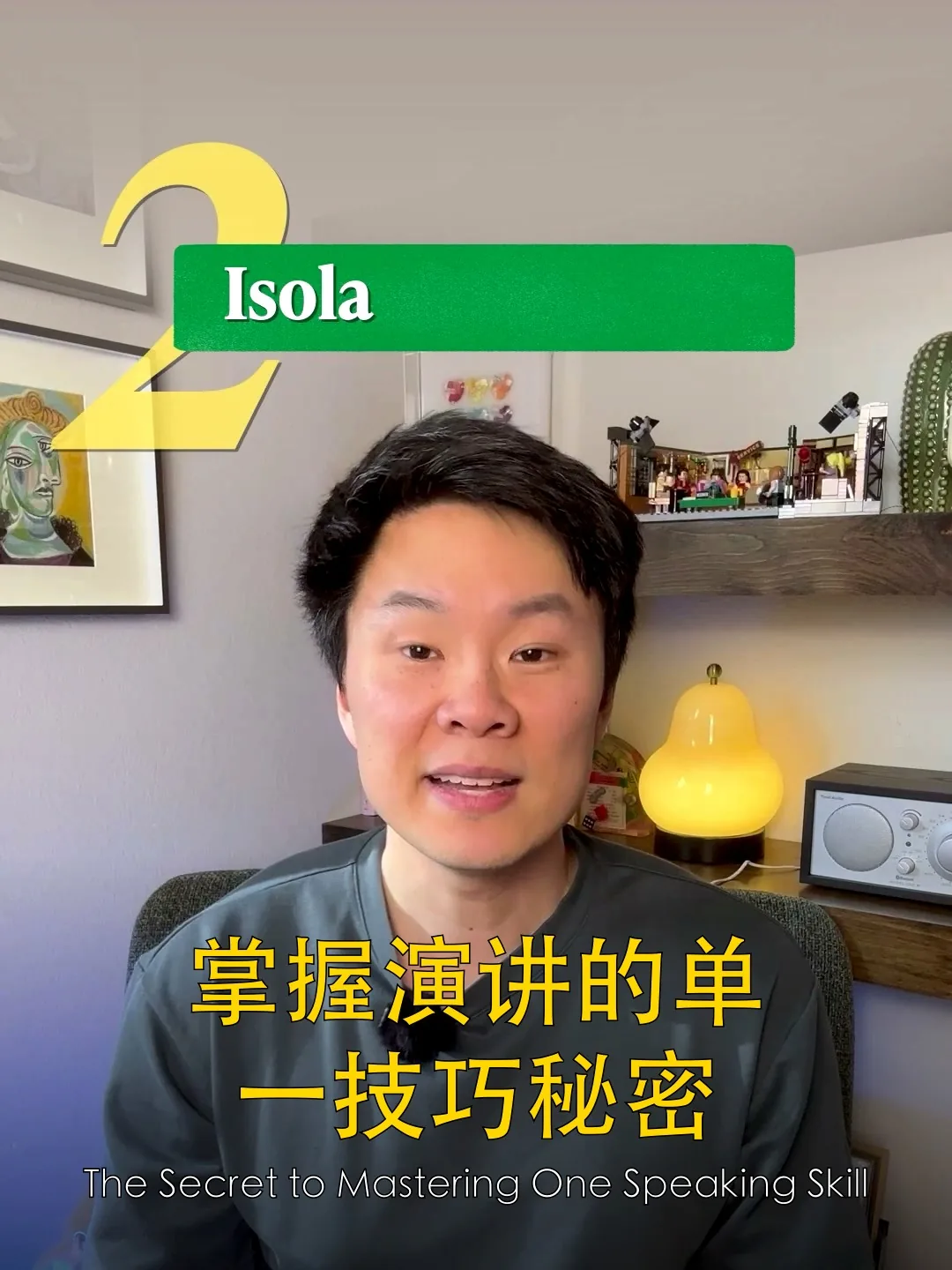
Cover
A 3:4 Chinese cover built from a frame of the video.
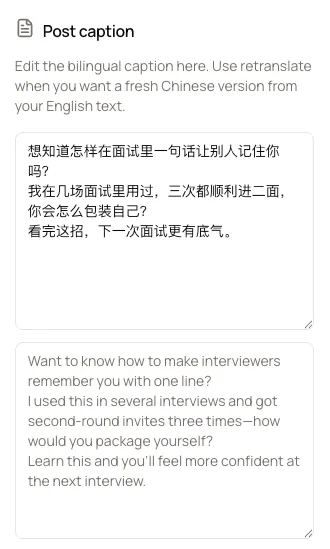
Caption
A Chinese post caption with the English version underneath.
What automatic checks can’t promise
- Tone, humour, and wordplay: checks confirm a line is Chinese and on-meaning, not that a joke still lands.
- Specialist vocabulary: medical, legal, or technical terms can be translated correctly in general but not in your field's preferred wording.
- Speech recognition errors: if the English transcript mishears a word, the Chinese will follow it. Fix the English line and retranslate.
Common questions
How accurate are Create In Chinese translations?
Every line is AI-translated and then automatically checked for untranslated English, garbling, dropped names, and misaligned meaning. Lines that fail get a repair pass, and anything that still fails stays in English with a visible flag. Because English sits beside every line, you can review the result without reading Chinese.
What does "English fallback" mean in the editor?
Both translation passes failed the automatic checks for that line, so it was left in English rather than shipped with a bad translation. Retranslate it or edit it before exporting.
Do names and brand terms get translated?
They are protected during translation, and a dropped name is one of the things the checks look for. You can still edit any line if you prefer a particular Chinese name.
What happens to English words a teacher is explaining?
When the speaker quotes or teaches an English word or phrase, that example stays in English inside the Chinese line, so the lesson is not translated away.
Should a native speaker still review important videos?
For high-stakes content such as ads, legal or medical topics, or brand launches, yes. The checks catch broken output, not every question of style or industry terminology.
How are translation changes tested before release?
Changes to translation, repair, or fallback behaviour are run against a regression suite of recorded scenarios, including fragmented speech, names, taught English, and injected provider failures, before they ship.